
Well liked
+ Chest Face nominated for a Ringo!

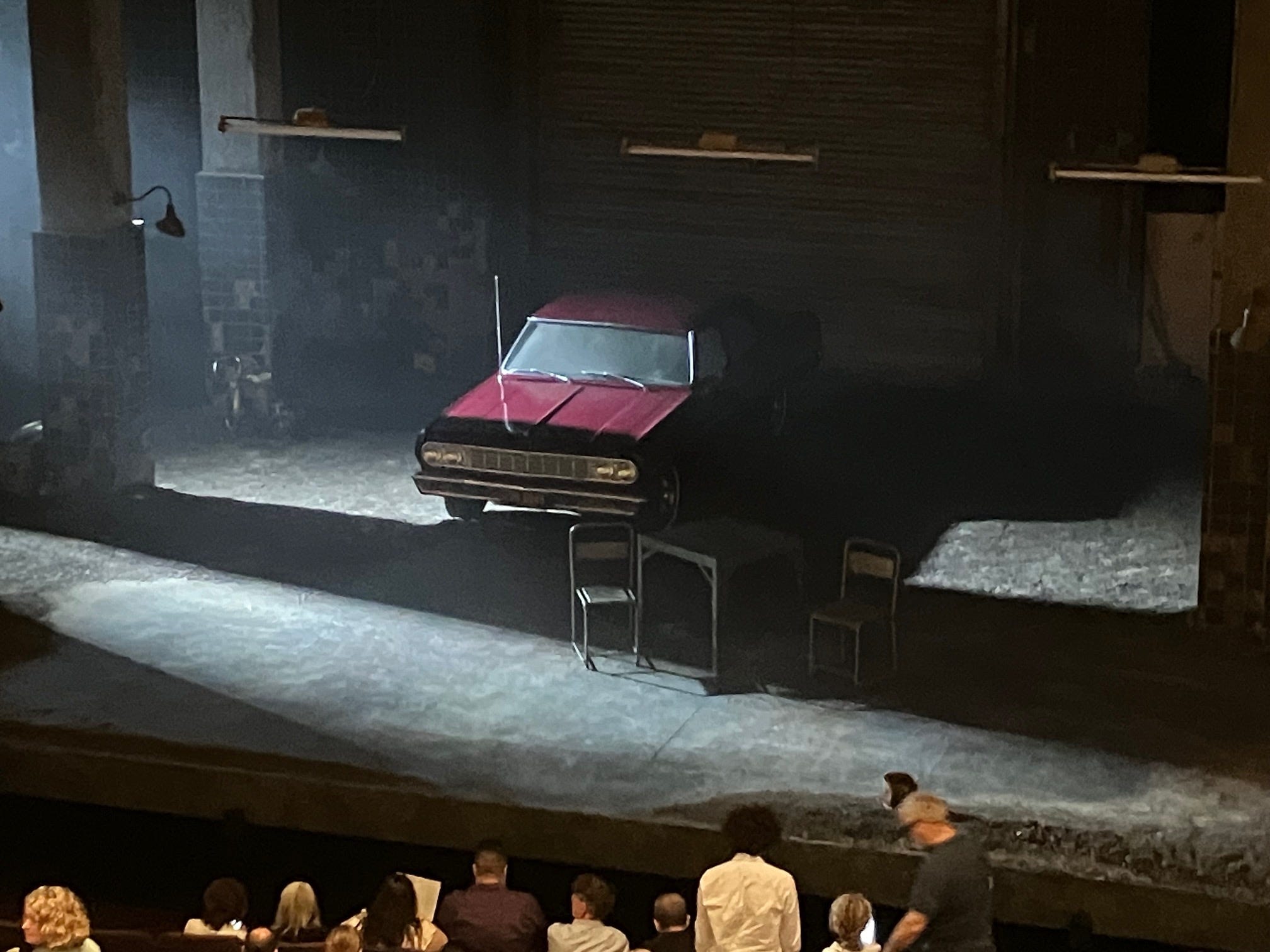
There are many endorsed masterpieces I indulged as a young person that I didn’t fully appreciate. I couldn’t for contextual reasons. One of them is a play called Death Of A Salesman by Arthur Miller. I didn’t really get it because I couldn’t relate. A story about expectations and a sad sack family. So what?
Joe Stockdale, my Dramatic Structure professor who was also Dean Emeritus of the Theatre and Film division at the SUNY Purchase School of the Arts (for 16 years), asked the class, “What did Willie Loman want?” Nobody could answer. Stockdale advised us that all good plays bake their characters desires into the script. It’s embedded in the text. Their actions. Their dialogue. And what Willie Loman wanted was “to be well liked.”
Well liked?
In a modern world of social media inspired “likes” and data mining, what does it mean to be “well liked?” It’s clearly more than your typical “like” but to what degree?
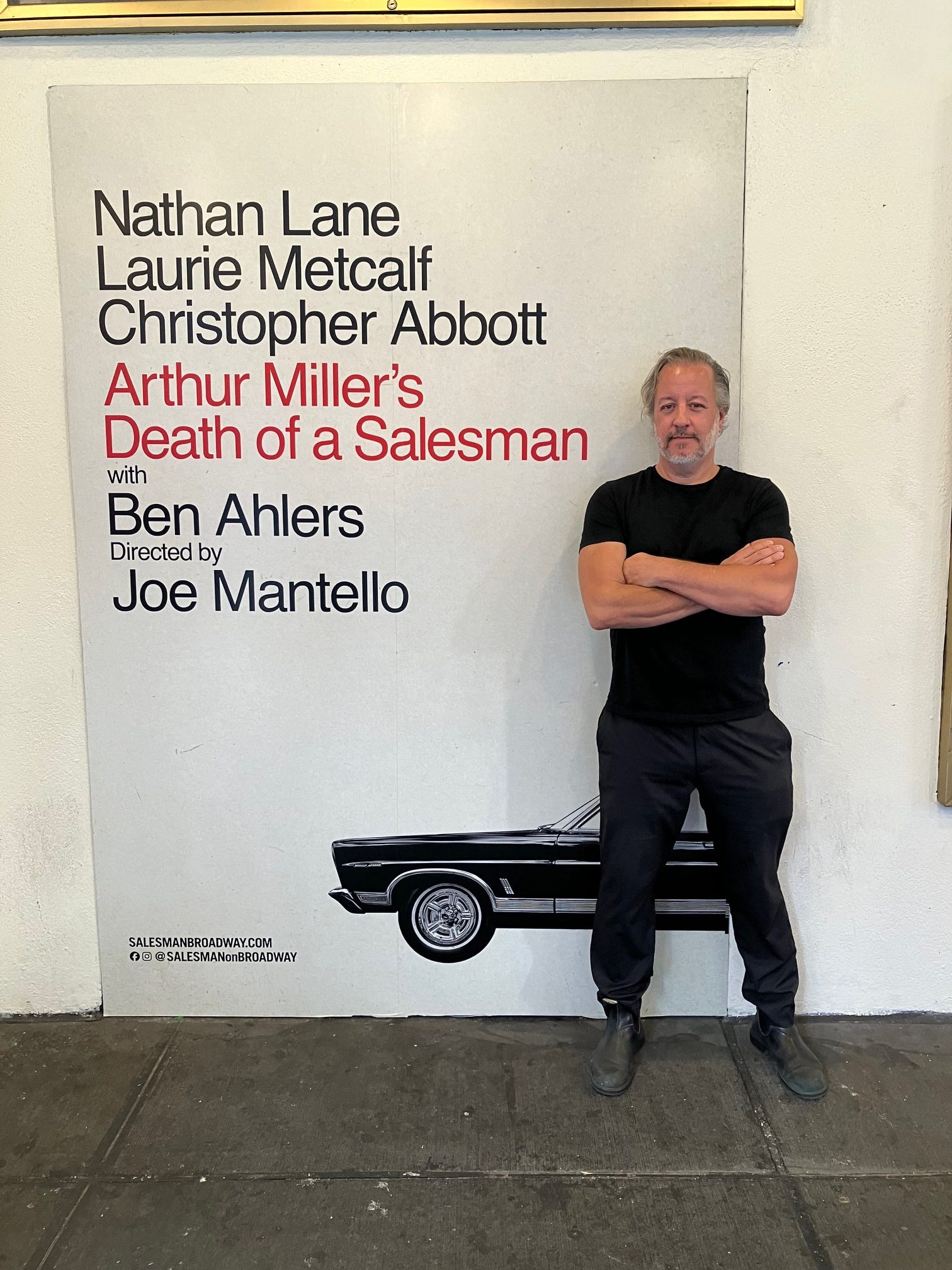
I never re-read Death Of A Salesman and I even blocked how it ended. So I had a bad feeling when a red Chevrolet entered the stage and haunted the recent production at the Winter Garden Theater on Broadway in NYC, directed by Joe Mantello. Starring Nathan Lane as Willie Loman and Laurie Metcalf as his wife, I suspected that this wasn’t gonna end well. Pay attention to the title, Dean. Remember what Joe Stockdale said. A good writer puts everything you need to know in the words.
Usually I recommend revisiting the books, movies, plays, etc., that we indulged as a kids -- in school -- later in your adult life. After you’ve lived a little. Experienced ups and downs. Big losses and little victories. Navigated the complications of humanity. These stories are more meaningful when you can relate. Can grasp the desperate concept of wanting to be well liked.
Spare your soul the unbearable heartbreak. Don’t see Death Of A Salesman. It’s a masterpiece that will crush you.
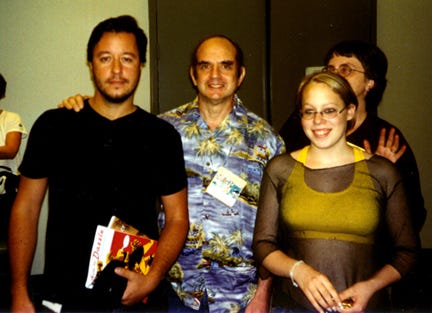
His Name was Harvey Pekar
”Saving the legacy of Harvey Pekar: Urgent mission to rescue four full storage units of American Splendor history before it’s lost forever.”
Having been a fan of the American Splendor comix since the 1980s, I’ve always championed the Harvey Pekar cause. I was the guy who advised Ted Hope to produce American Splendor the movie. I was the guy who brought Pekar to DC/Vertigo and illustrated his origin story, The Quitter, and then helped illustrate two American Splendor mini-series edited by Jonathan Vankin. I also helped orchestrate Harvey to write webcomics when he could hardly use a computer and recruited Jeff Newelt to be his editor of The Pekar Project at Smith Magazine. And I will do what I can to help Danielle Batone preserve the legacies of her foster parents Harvey Pekar and Joyce Brabner, who I consider more than just friends and collaborators, may they rest in peace. The fact that there isn’t a regular shelf of Harvey Pekar’s entire oeuvre astounds me. And I hope fans of American Splendor, et al, will chip in to help Danielle shine a new light on such ground breaking and historically important work and materials.
You can help HERE
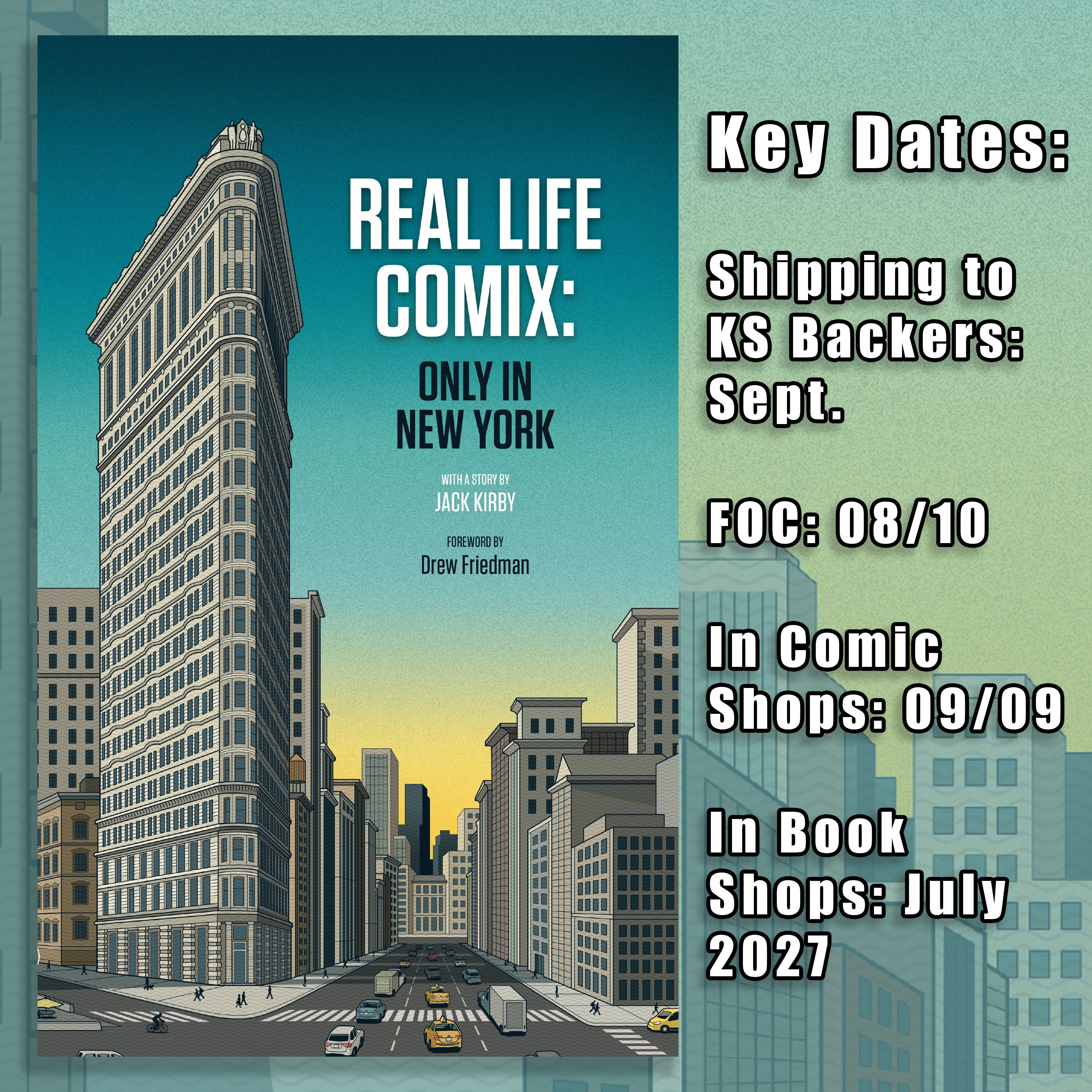
REAL LIFE COMIX: Only In New York, the comix anthology I co-edited with Doug Latino (published by Cosmic Lion Productions) features 52 NYC stories by 69 creators, including Jack Kirby’s only comix memoir, “Street Code.” The entire tome is headed to the printer and is scheduled to be in comic book stores on September 9th. The Final Order Cutoff date is August 10th. Please let your local comic shop know and pre-order the book.
ALSO — if Panick Entertainment’s Kickstarter hits a certain goal, you’ll get to see and read my Attack of the Killer Tomatoes story! Click HERE to pledge.
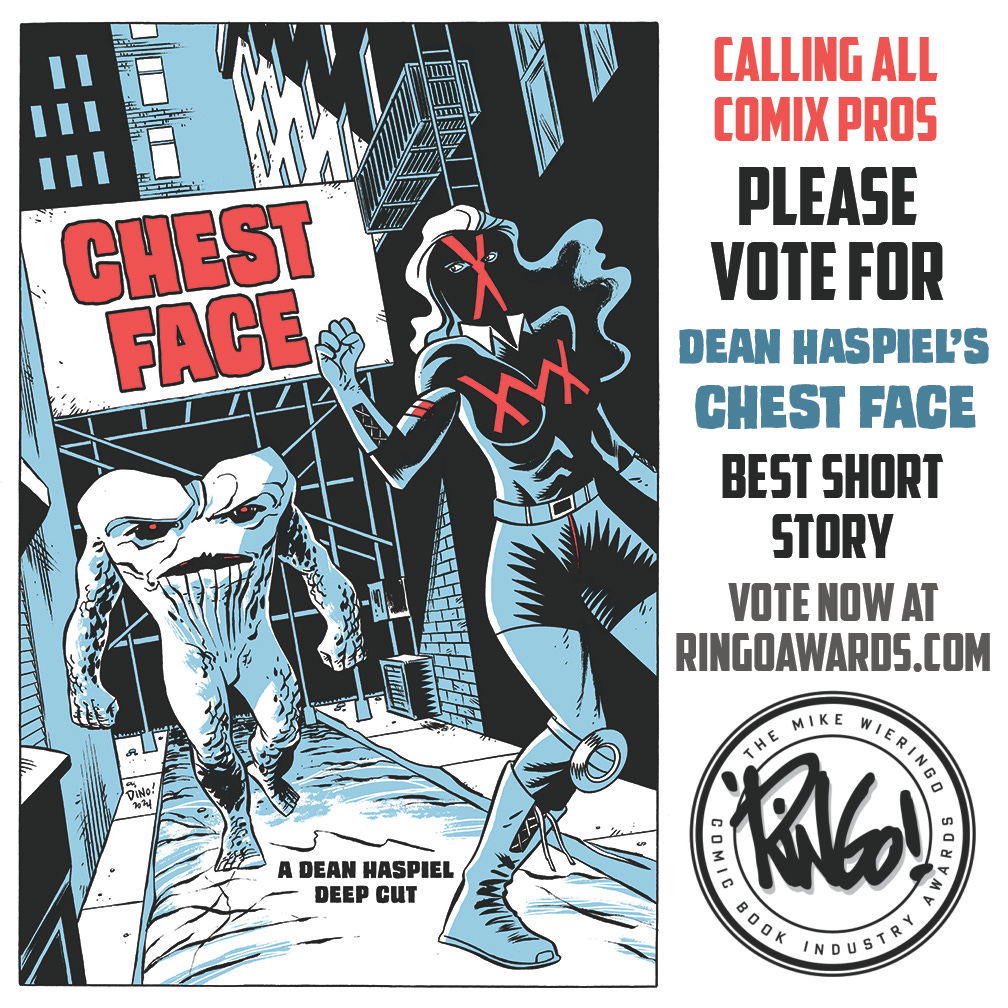
I’m absolutely thrilled and honored. My self-published comic book, CHEST FACE, was nominated for a Ringo Award for ‘Best Short Story.’ Hallelujah Baltimore Comic-con!
Comix creators can vote now. Click HERE.
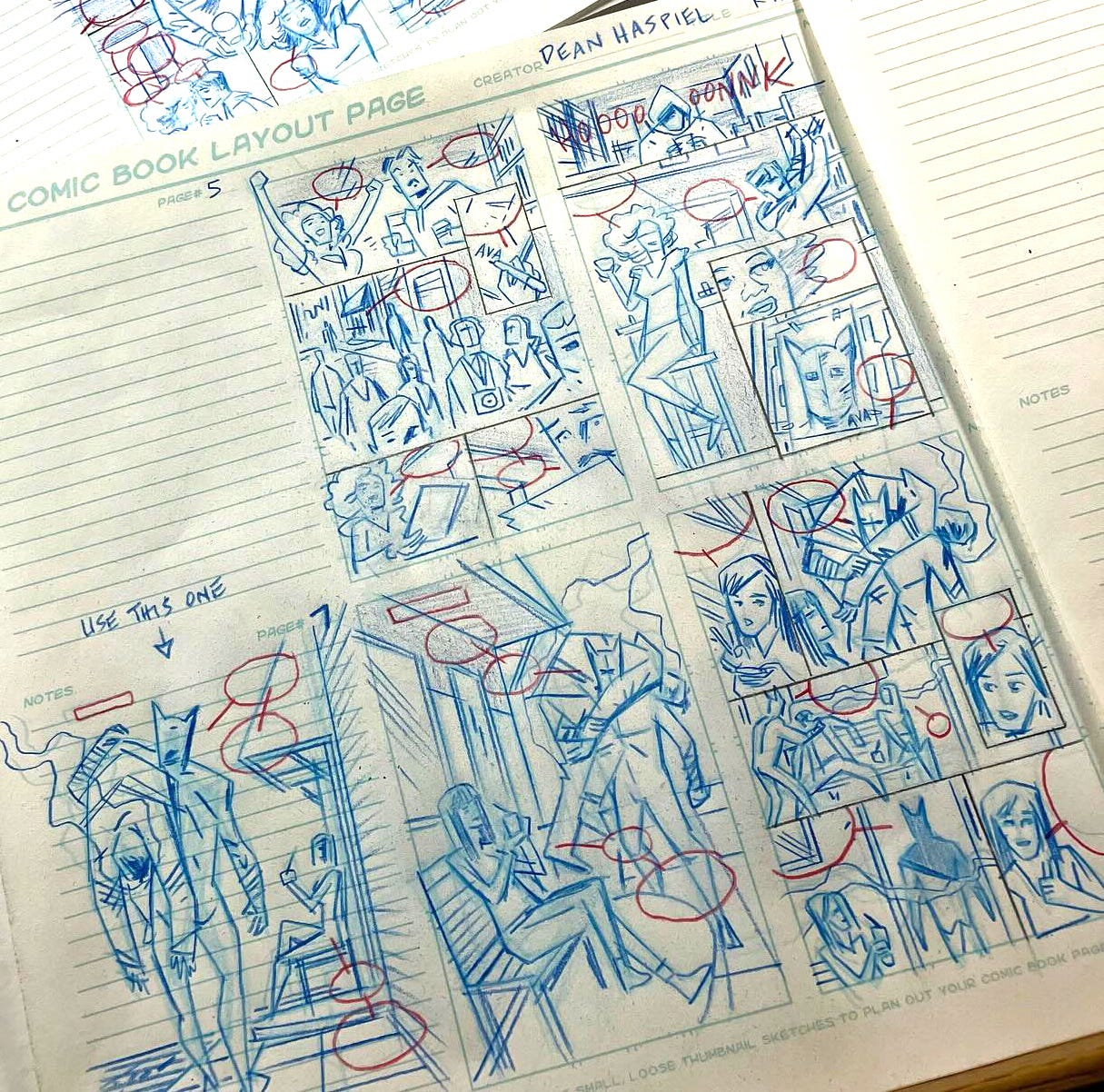
I’m teaching my comix workshop again at the Art Student’s League in September.
Comix Fundamentals: Writing in Pictures and Drawing Narratives
Class #6583
This is a 4-day workshop taking place on September 14, 15, 17, and 18. There will be no class on Wednesday, September 16.
Workshop Description:
It’s time to tell your story. In this workshop, a Ringo and Emmy-winning artist will teach you about layouts, scripts, and the iterative process of bringing your ideas to life in comics. Students are encouraged to come to class with a story to tell and the materials (traditional or digital) they wish to illustrate it with.
This workshop includes a lecture and exercises on the fundamentals of storytelling. Students should expect to produce a finished layout of their story or a scene from it. The instructor will be present throughout and will offer individualized feedback as well as general tips on approaching the craft. All skill and experience levels are welcome; however this class is designed for students who are comfortable drawing from their imagination.
ENROLL HERE
See you in the gutters—
—Dean
Instagram / Etsy / VITO x DINO
Congrats on the Ringo nom, Dean. Well-deserved!
In Miller's original script Willy is called a shrimp; changed to "walrus" when Lee J. Cobb was cast as Willy.
The line isn't in the George C. Scott production.
My English teacher screened the Dustin Hoffman/John Malkovich tv movie for us in 85 and I remember reading at the time how Miller intended Willy to be physically more like Hoffman.
The Wendell Pierce adaptation hints that Willy is called the n word and Biff blows his chance at UCLA instead of U VA.
Nathan Lane is 5'5" , " "shrimp" was put back but I didn't think it quite works to describe him.